Introduction
In the world of critical care, the significance of reliable airway and ventilation management can not be overstated. Healthcare specialists need to be well-equipped with the knowledge and skills required to ensure that individuals receive optimal respiratory assistance. This post digs deeply right into the different facets of airway and ventilation monitoring, specifically in critical care setups. From recognizing basic concepts to discovering advanced ventilator training courses, this thorough guide aims to offer doctor with an extensive understanding of why efficient monitoring is vital for client outcomes.
The Importance of Respiratory tract and Ventilation Monitoring in Vital Care
Airway and ventilation administration is basic in crucial care because it directly affects individual survival rates. An unobstructed air passage enables optimum gas exchange, while appropriate ventilation ensures that carbon dioxide is successfully removed from the body. In emergency situations, failure to manage these facets can cause hypoxia or hypercapnia, leading to extreme difficulties and even death.

Understanding Standard Ideas of Respiratory Tract Management
Airway monitoring starts with examining the patient's capability to preserve a ventilator training for nurses patent airway. This includes recognizing signs that might suggest obstruction, such as stridor or decreased breath sounds.
Types of Airways
Natural Airways: These are the pathways through which air flows normally during respiration. Artificial Airways: Devices like endotracheal tubes or tracheostomy tubes are made use of when natural air passages are compromised.Techniques for Respiratory tract Management
- Head-Tilt-Chin-Lift Maneuver: A basic method used to open up the air passage in less competent patients. Jaw-Thrust Maneuver: Specifically valuable for individuals with suspected spine injuries.
Importance of Training in Air Passage Management
Given the intricacy involved in air passage monitoring, specialized training courses play an essential function. Programs such as fundamental ventilator course and ventilator training for registered nurses equip doctor with essential abilities required for effective intervention.
Ventilation: The Lifeline of Crucial Care
Ventilation refers to the mechanical activity of air into and out of the lungs. In seriously sick patients who can not breathe efficiently by themselves, mechanical air flow provides life-saving support.
Types of Mechanical Ventilation
Invasive Ventilation: Includes intubation and is made use of when non-invasive methods are insufficient. Non-invasive Air flow (NIV): Consists of CPAP and BiPAP systems, using assistance without intubation.What is Ventilator Support?
Ventilator assistance provides regulated breaths to clients who are incapable to breathe adequately by https://rentry.co/s4zqx73q themselves because of problems such as ARDS or COPD exacerbations.
Ventilator Settings Explained
Understanding various ventilator setups is important for supplying efficient respiratory system assistance:
|Setting|Summary|| -----------------------------|----------------------------------------------------------------------------------------|| Tidal Quantity (Vt)|The amount of air delivered to the lungs with each breath|| Respiratory System Rate (RR)|Variety of breaths supplied by the ventilator per minute|| PEEP (Favorable End-Expiratory Stress)|Maintains alveolar recruitment by protecting against collapse at end expiry|| FiO2 (Portion of Motivated Oxygen)|The portion of oxygen provided; essential for hypoxic individuals|
Ventilator Stress Assistance: What You Need to Know
Pressure assistance air flow (PSV) assists spontaneous breathing efforts by supplying a predetermined degree of stress during breathing but permits individuals to regulate their respiratory system rate.
Advanced Training Programs for Healthcare Professionals
Numerous training programs exist that concentrate on improving skills associated with respiratory tract and air flow management:
1. Standard Ventilator Course
This foundational course covers essential subjects bordering mechanical air flow principles, ideal for newbies in vital care settings.
2. NDIS Ventilation Training Course
Tailored specifically for healthcare professionals dealing with individuals requiring NDIS-funded solutions, this training course highlights both theory and practical abilities needed for reliable therapy provision.
3. Tracheostomy and Ventilator Training
This specialized training concentrates on managing tracheostomy patients who call for mechanical air flow, stressing both technological abilities and patient-centered treatment approaches.
Challenges in Airway Management
Despite advancements in clinical modern technology, various challenges persist:
1. Client Variability
Each individual provides distinct physiological difficulties that might make complex air passage monitoring efforts.

2. Equipment Limitations
Not all centers have accessibility to modern equipment; as a result, healthcare providers should be proficient at using readily available sources efficiently.
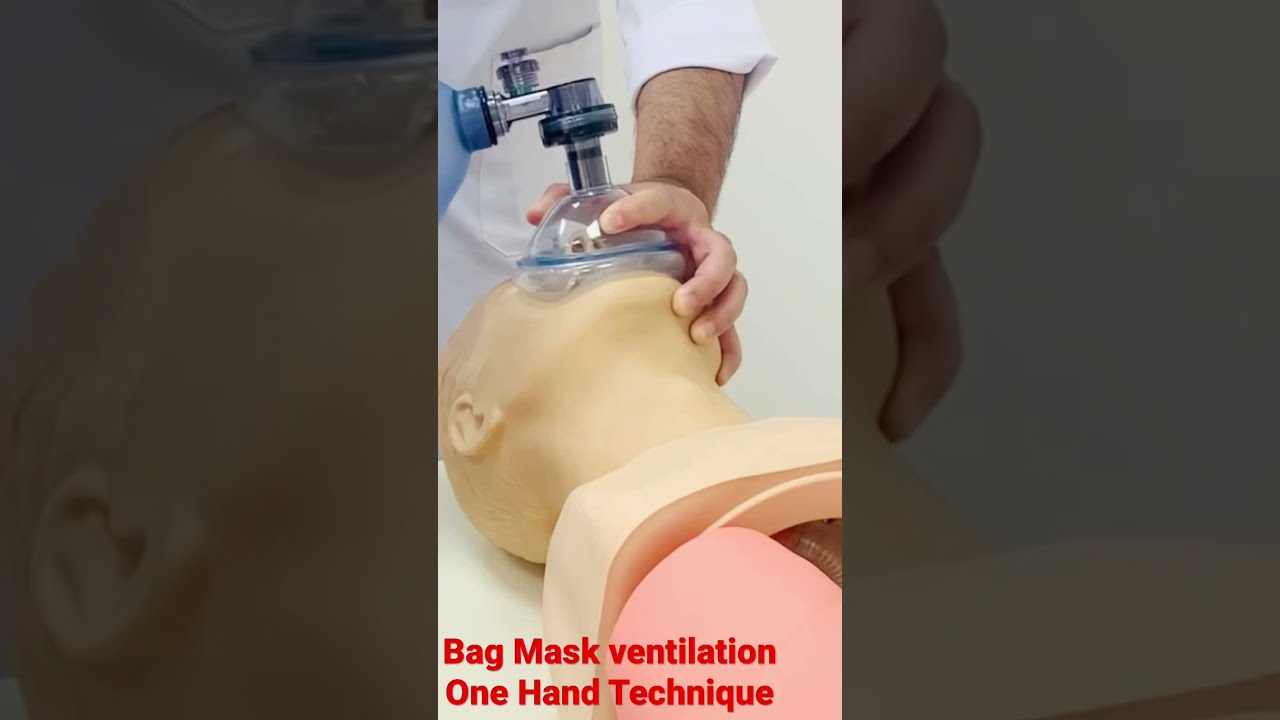
The Duty of Technology in Air Flow Management
Technological technologies have significantly enhanced how we come close to airway and air flow monitoring:
Smart Ventilators: These gadgets can immediately change settings based on real-time feedback. Telemedicine: Enables professionals to give remote appointments on complicated cases entailing ventilation management.Patient-Centric Approaches to Air passage Management
Effective respiratory tract monitoring exceeds technological proficiency; it calls for an understanding strategy in the direction of individual comfort:
- Continuous tracking is essential. Frequent interaction with family members assists ease anxiousness regarding treatment plans.
Case Researches Showing Effective Air Passage Monitoring Techniques
Analyzing real-life situations can highlight best techniques:
Case Study 1: Successful Emergency Situation Intubation
A 54-year-old man provided with intense breathing distress as a result of pneumonia was effectively intubated making use of quick series induction techniques after proper analysis exposed he might not maintain his own airway.
Case Study 2: Non-Invasive Intervention
A 72-year-old women battled with COPD exacerbation yet responded well when treated with BiPAP therapy after first analyses acknowledged her need for boosted oxygen levels without intrusive measures.
FAQs Regarding Airway and Ventilation Management
What is meant by "respiratory tract administration"?- It refers to methods used by healthcare specialists to maintain or safeguard a patient's airway during medical procedures or emergencies.
- It outfits healthcare providers with critical abilities necessary for taking care of clients calling for respiratory support successfully and safely.
- NDIS guidelines stress individualized treatment strategies that typically necessitate specialized training around ventilatory support mechanisms customized particularly for individual needs.
- It's a mode where the ventilator helps spontaneous breathing initiatives by offering predetermined pressure during breathing while allowing patients regulate over their breathing rhythm.
- Innovations like clever ventilators offer adaptive reactions based on person demands while telemedicine permits specialists advice remotely throughout tough instances involving complicated respiratory issues.
- Complications can include hypoxia, ambition pneumonia, boosted intracranial stress, and even heart attack if timely interventions aren't made appropriately.
Conclusion
The value of airway and ventilation monitoring in vital care can not be overemphasized-- it's a fundamental aspect that straight associates with client results in emergency circumstances. By spending time into thorough education and learning through numerous programs like standard ventilator course or NDIS ventilation training programs, health care specialists can develop their expertise effectively ensuring they're gotten ready for any kind of possibility they may face within their method location-- whether it's grasping tracheostomy techniques or responding promptly throughout unanticipated situations calling for immediate treatment techniques made around private needs while browsing potential challenges connected together with these intricate processes impacting lives every day!